Why Choose Us
Our Company
The company, located in Yanhai Industrial Park-one of the largest pharmaceutical industrial zones in China-covers an area of 35 acres. Through its three product segments-Guaiacol derivatives, Epichlorohydrin derivatives, and Iodine contrast media-Haizhou Pharm offers a portfolio of products and services globally, including Active Pharmaceutical Ingredients (API), intermediates, fine chemicals, and custom manufacturing services.
GMP Service
With professional contract manufacturing project team and multi-functional workshops, the company is in long-term cooperation with famous global pharmaceutical enterprises, providing contract service under both GMP and none GMP conditions.
Certifications
Haizhou Pharm is ISO9001/14001 and OHSAS18001 approved, and ISO/OHSAS management philosophy deeps into whole process of the company.
Professional Contract Solutions
With professional contract manufacturing project team and multi-functional workshops, the company is in long-term cooperation with famous global pharmaceutical enterprises, providing contract service under both GMP and none GMP conditions.
Related Product

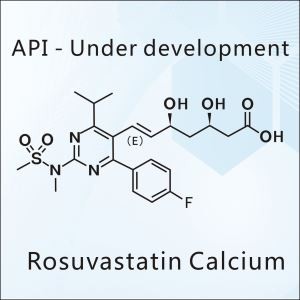
API:Rosuvastatin Calcium CAS NO:147098-20-2 Therapeutic Category:Cadiovascular drug Availability:Under development

API:Afatinib CAS NO:439081-18-2 Therapeutic Category:Anti-cancer Availability:Under development

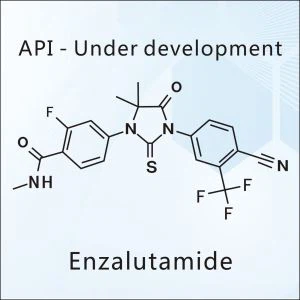
API:Enzalutamide CAS NO:915087-33-1 Therapeutic Category:Anti-cancer Availability:Under development

API:Pyrazinamide CAS NO:98-96-4 Therapeutic Category:Tuberculosis Specification:USP latest DMF:TPA* Certification:GMP Availability:By campaign

Canagliflozin
API:Canagliflozin CAS NO:842133-18-0 Therapeutic Category:Diabetes Availability:Under development

API:Ranolazine CAS NO:95635-55-5 Therapeutic Category:Antianginal medication Availability:Under development

API:Dasatinib CAS NO:302962-49-8 Therapeutic Category:Anti-cancer Availability:Under development
What is Dasatinib?
Dasatinib pharmacodynamically inhibits BCR-ABL kinase and SRC kinase activity along with several other selective oncogenic kinases, including c-KIT, ephrin receptor kinase (EPH), and PDGFb receptor . Dasatinib is a potent, sub-monopolar inhibitor of the BCR-ABL kinase with potency at 0.6-0.8 nm, thereby inhibiting the growth of cancer cells.
Dasatinib, a potent and versatile medication, has emerged as a significant player in the field of oncology, particularly in the treatment of specific types of leukemia. It was developed by Bristol-Myers Squibb and is primarily targeted at specific proteins involved in the growth of cancer cells. The drug has been approved for use in patients with chronic myeloid leukemia (CML) who are either newly diagnosed or have not responded to other treatments. Additionally, it is used for treating Philadelphia chromosome-positive acute lymphoblastic leukemia (Ph+ ALL). Research continues to explore its efficacy in other malignancies and its potential combination with other therapies to enhance treatment outcomes.
Dasatinib belongs to a class of drugs known as tyrosine kinase inhibitors (TKIs). These inhibitors target the BCR-ABL protein, an abnormal enzyme present in most patients with CML and Ph+ ALL. This enzyme results from a genetic abnormality called the Philadelphia chromosome. Normally, enzymes like BCR-ABL play a role in cellular functions such as growth and division. However, in cancer cells, the BCR-ABL enzyme is overactive, leading to uncontrolled cell proliferation.
Dasatinib works by blocking the activity of BCR-ABL and other related tyrosine kinases, thereby inhibiting the growth and proliferation of cancer cells. By targeting these abnormal enzymes, Dasatinib essentially halts the progression of the disease and can lead to the death of cancer cells. This mechanism not only makes Dasatinib effective in treating leukemia but also offers a targeted approach, reducing the impact on normal, healthy cells.
Administering Dasatinib is relatively straightforward, but it requires adherence to specific guidelines to ensure effectiveness and minimize side effects. Dasatinib is available in tablet form and is usually taken once daily, either in the morning or evening. The dosage may vary depending on the stage of the disease, the patient's overall health, and how well they tolerate the medication. It's crucial to follow the prescribed dosage and not to alter or discontinue the medication without consulting a healthcare provider.
Dasatinib tablets should be swallowed whole with water and can be taken with or without food. However, it is essential to avoid grapefruit and grapefruit juice as they can interfere with the absorption of the drug, potentially leading to higher levels in the bloodstream and an increased risk of side effects. The onset of action for Dasatinib can vary. Some patients may start to see improvements within a few weeks, while for others, it may take several months. Regular monitoring through blood tests and clinical assessments is necessary to evaluate the drug's effectiveness and adjust the dosage if needed.
While Dasatinib has proven to be a life-saving drug for many, it is not without its side effects. The severity and frequency of side effects can differ from one individual to another, depending on various factors such as the dosage, the duration of treatment, and the patient's overall health. Common side effects include nausea, diarrhea, headache, fatigue, and muscle pain. More serious side effects can involve low blood cell counts, which can increase the risk of infections, bleeding, and anemia. Some patients may also experience fluid retention, which can manifest as swelling in the hands, feet, or around the eyes, and in severe cases, fluid accumulation around the lungs or heart.
Dasatinib has specific contraindications. It should not be used in patients who are allergic to any of its components. Additionally, it is not recommended for use during pregnancy due to the potential risk of harm to the unborn baby. Women of childbearing age should use effective contraception while taking Dasatinib and for a period after discontinuing the drug. Breastfeeding is also not advised during treatment.
Drug interactions are a critical consideration when prescribing and taking Dasatinib. Certain medications can affect how Dasatinib works or increase the likelihood of side effects. For instance, drugs that influence the enzyme CYP3A4, such as ketoconazole, itraconazole, and ritonavir, can increase the level of Dasatinib in the blood, heightening the risk of adverse effects. Conversely, medications that induce CYP3A4, such as rifampin, phenytoin, and St. John's wort, can decrease Dasatinib levels, potentially reducing its efficacy.
Other medications that can interact with Dasatinib include antacids and H2 blockers like ranitidine and famotidine, which can reduce the absorption of Dasatinib if taken too closely together. It is recommended to take antacids at least two hours before or after Dasatinib. Additionally, drugs that prolong the QT interval, a specific measurement of heart rhythm, should be used with caution as Dasatinib itself can prolong the QT interval, increasing the risk of serious heart-related side effects.
Dosage Of The Drug Dasatinib
Depending on the treatment goal, Dasatinib will be used in different doses, specifically as follows:
For The Treatment Of Chronic Myeloid Leukemia (CML):
Starting dose: 100Mgx 1 time/ If a hematological or cytological response is not achieved, increase the dose to 140 mg once daily. The recommended starting dose for flare-ups, myeloid acceleration or lymphoid CML or Ph+ ALL is 140 mg/day. If hematologic or cytological response is not achieved, the dose may be increased to 180 mg once daily.
For the Treatment of Acute Lymphoblastic Leukemia Ph+ (ALL):
Initial dose: 140 Mg once daily if hematologic or cytological response is not achieved, the dose may be increased to 180 mg once daily. /day. Dose adjustment when toxicity occurs: if hematologic toxicity occurs, temporarily discontinue dasatinib, reduce dose or discontinue drug.
For Children on Ph+ CML-CP and Ph+ ALL:
Dasatinib is given orally once daily as a film-coated tablet. The dose should be recalculated every 3 months based on the change in body weight of the child. Tablets are not recommended for children weighing less than 10kg Powder for oral suspension should be used for this audience Recommended dose for children 10-20kg: 40 mg/day Recommended dose for children 20-30kg: 60 mg/day Recommended dose for children 30-45 kg: 70 mg/day Recommended dose for children at least 45 kg: 100 mg/day
How Should I Take Dasatinib?
Take dasatinib exactly as prescribed by your doctor. Follow all directions on your prescription label and read all medication guides or instruction sheets. Your doctor may occasionally change your dose.
You may take dasatinib with or without food. Take the medicine at the same time each day.
Swallow the tablet whole and do not crush, chew, or break it.
Do not take a tablet that has been accidentally broken. The medicine from a crushed or broken tablet can be dangerous if it gets in your eyes, mouth, or nose, or on your skin. If this occurs, wash your skin with soap and water or rinse your eyes with water. Wear rubber gloves while handling a broken tablet or capsule. Ask your doctor or pharmacist how to safely dispose of the broken pill. A pregnant woman should not handle a broken pill.
Dasatinib can lower blood cells that help your body fight infections and help your blood to clot. Your blood will need to be tested often. Your cancer treatments may be delayed based on the results of these tests.
Proteome Profiling Of Potential Dasatinib Of Affinity-Based
Protein kinases (PKs) play an important role in the development and progression of cancer by regulating cell growth, survival, invasion, metastasis, and angiogenesis. Dasatinib (BMS-354825), a dual Src/Abl inhibitor, is a promising therapeutic agent with oral bioavailability. It has been used for the treatment of imatinib-resistant chronic myelogenous leukemia (CML). Most kinase inhibitors, including Dasatinib, inhibit multiple cellular targets and do not possess exquisite cellular specificity.
Recent efforts in kinase research thus focus on the development of large-scale, proteome-wide chemical profiling methods capable of rapid identification of potential cellular (on- and off-) targets of kinase inhibitors. Most existing approaches, however, are still problematic and in many cases not compatible with live-cell studies. In this work, we have successfully developed a cell-permeable kinase probe (DA-2) capable of proteome-wide profiling of potential cellular targets of Dasatinib.
In this way, highly regulated, compartmentalized kinase–drug interactions were maintained. By comparing results obtained from different proteomic setups (live cells, cell lysates, and immobilized affinity matrix), we found DA-2 was able to identify significantly more putative kinase targets. In addition to Abl and Src family tyrosine kinases, a number of previously unknown Dasatinib targets have been identified, including several serine/threonine kinases (PCTK3, STK25, eIF-2A, PIM-3, PKA C-α, and PKN2).
They were further validated by pull-down/immunoblotting experiments as well as kinase inhibition assays. Further studies are needed to better understand the exact relevance of Dasatinib and its pharmacological effects in relation to these newly identified cellular targets. The approach developed herein should be amenable to the study of many of the existing reversible drugs/drug candidates.
Treatment For Dasatinib
Dasatinib is a dual Abl/Src tyrosine kinase inhibitor (TKI) designed as a prototypic short-acting BCR–ABL-targeted TKI that inhibits BCR–ABL with greater potency compared with imatinib, nilotinib, bosutinib, and ponatinib and has been shown to have potential immunomodulatory effects. Dasatinib is approved for the treatment of all phases of chronic myeloid leukemia (CML) and Philadelphia chromosome-positive acute lymphoblastic leukemia resistant or intolerant to prior imatinib treatment and first-line treatment for CML in chronic phase.
Our Factory
The company, located in Yanhai Industrial Park, one of the largest pharmaceutical industrial zones in China, covers an area of 35 acres. Through its three product segments - Guaiacol derivatives, Epichlorohydrin derivatives and Iodine contrast media - Haizhou Pharm offers a portfolio of products and services globally, including Active Pharmaceutical Ingredients (API), Intermediates, fine chemicals and Customs manufacturing service.

FAQ
Hot Tags: dasatinib, China dasatinib manufacturers, suppliers, factory, api market trend, api market analytics, api c2c market, api b2c market, api market stability, api market volatility