Why Choose Us
Our Company
The company, located in Yanhai Industrial Park-one of the largest pharmaceutical industrial zones in China-covers an area of 35 acres. Through its three product segments-Guaiacol derivatives, Epichlorohydrin derivatives, and Iodine contrast media-Haizhou Pharm offers a portfolio of products and services globally, including Active Pharmaceutical Ingredients (API), intermediates, fine chemicals, and custom manufacturing services.
GMP Service
With professional contract manufacturing project team and multi-functional workshops, the company is in long-term cooperation with famous global pharmaceutical enterprises, providing contract service under both GMP and none GMP conditions.
Certifications
Haizhou Pharm is ISO9001/14001 and OHSAS18001 approved, and ISO/OHSAS management philosophy deeps into whole process of the company.
Professional Contract Solutions
With professional contract manufacturing project team and multi-functional workshops, the company is in long-term cooperation with famous global pharmaceutical enterprises, providing contract service under both GMP and none GMP conditions.
Related Product

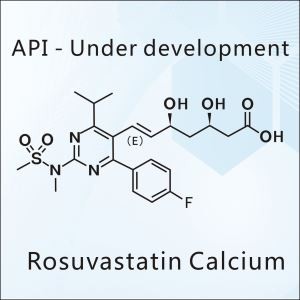
API:Rosuvastatin Calcium CAS NO:147098-20-2 Therapeutic Category:Cadiovascular drug Availability:Under development

API:Afatinib CAS NO:439081-18-2 Therapeutic Category:Anti-cancer Availability:Under development

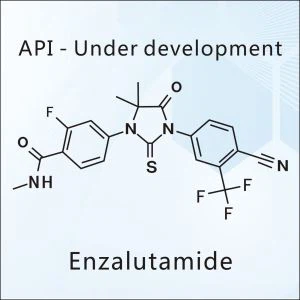
API:Enzalutamide CAS NO:915087-33-1 Therapeutic Category:Anti-cancer Availability:Under development

API:Pyrazinamide CAS NO:98-96-4 Therapeutic Category:Tuberculosis Specification:USP latest DMF:TPA* Certification:GMP Availability:By campaign

Canagliflozin
API:Canagliflozin CAS NO:842133-18-0 Therapeutic Category:Diabetes Availability:Under development

API:Ranolazine CAS NO:95635-55-5 Therapeutic Category:Antianginal medication Availability:Under development

API:Dasatinib CAS NO:302962-49-8 Therapeutic Category:Anti-cancer Availability:Under development
What is Ranolazine?
Ranolazine, sold under the brand name Ranexa among others, is a medication used to treat heart related chest pain. Typically it is used together with other medications when those are insufficient. Therapeutic benefits appear smaller in females than males.
Ranolazine is a pharmaceutical drug primarily used to treat chronic angina, a condition characterized by chest pain due to reduced blood flow to the heart. It is marketed under the trade name Ranexa and belongs to a class of medications known as anti-anginal drugs. Ranolazine distinguishes itself from traditional angina treatments, such as nitrates and beta-blockers, through its unique mechanism of action. The drug has garnered significant attention due to its effectiveness in managing angina symptoms, even in patients who do not respond well to standard therapies. Research into Ranolazine is ongoing, with studies evaluating its potential benefits in other cardiovascular conditions and its long-term safety profile.
The mechanism of action of Ranolazine is distinct from other anti-anginal medications. Rather than affecting the heart rate or blood pressure directly, Ranolazine exerts its therapeutic effects at the cellular level. Specifically, the drug inhibits the late phase of the inward sodium current (INa) in the cardiac myocytes. This inhibition reduces the sodium-induced calcium overload in the cells, thereby decreasing myocardial ischemia, which is the primary cause of angina. By preventing the accumulation of calcium, Ranolazine helps to improve the heart muscle's efficiency without the negative cardiovascular effects often seen with other angina treatments, such as bradycardia, hypotension, or arrhythmias. This unique action makes Ranolazine a valuable option for patients who have not achieved sufficient relief from traditional anti-anginal medications.
Ranolazine is typically administered orally in the form of extended-release tablets. The standard dosage regimen begins with 500 mg taken twice daily, which can be increased to a maximum of 1000 mg twice daily, depending on the patient's response and tolerance. It is important to note that Ranolazine should be taken consistently, either with or without food, to maintain stable drug levels in the bloodstream. The onset of action for Ranolazine is gradual, often requiring a few hours to begin alleviating angina symptoms. Full therapeutic effects might not be evident until the patient has been on the medication for a period of time, sometimes several weeks. Therefore, patients are advised to follow their healthcare provider's instructions closely and not to discontinue the medication abruptly, as this could precipitate a return of angina symptoms.
Like all medications, Ranolazine is associated with a range of potential side effects. The most commonly reported adverse effects include dizziness, headache, constipation, and nausea. These side effects are generally mild to moderate in severity and tend to diminish over time as the patient's body adjusts to the medication. However, more serious side effects can occur, although they are less common. These include QT prolongation, a condition that affects the heart's electrical activity and can lead to serious arrhythmias. Due to this risk, Ranolazine is contraindicated in patients with pre-existing QT interval prolongation or in those taking other medications known to prolong the QT interval. Additionally, Ranolazine should be used with caution in patients with severe hepatic impairment because the drug is metabolized by the liver. Patients with renal impairment should also be monitored closely, as decreased kidney function can affect the drug's clearance from the body.
Ranolazine can interact with a variety of other medications, which can influence its effectiveness and safety profile. Notably, Ranolazine is metabolized by the liver enzyme CYP3A and to a lesser extent by CYP2D6. Therefore, drugs that inhibit or induce these enzymes can alter Ranolazine's plasma concentrations. For example, strong CYP3A inhibitors like ketoconazole, clarithromycin, and certain protease inhibitors can significantly increase Ranolazine levels, heightening the risk of adverse effects such as QT prolongation. Conversely, CYP3A inducers like rifampin and phenobarbital can reduce Ranolazine's effectiveness by decreasing its plasma concentration. Additionally, Ranolazine can increase plasma levels of other drugs that are metabolized by CYP3A, such as simvastatin and certain immunosuppressants, necessitating careful dose adjustments and monitoring. Other medications that may interact with Ranolazine include certain antiarrhythmics and antipsychotics, emphasizing the importance of a thorough medication review by healthcare providers before initiating Ranolazine therapy.
The Main Studies Carried Out With Ranolazine In Angina Were
MARISA Monotherapy Assessment of Ranolazine In Stable Angina trial was a dose-response study that showed increasing doses of razonaline increased exercise duration by 94, 103 and 116 seconds.
CARISA evaluated ranolazine plus anti-anginal treatment against placebo plus anti-anginal treatment. Patients treated with ranolazine had significantly better exercise duration - an ncrease by 115 seconds from baseline versus 91 seconds in placebo group - time to onset of angina, and fewer angina attacks.
ERICA evaluated ranolazine plus amlodipine against amlodipine alone. Weekly consumption of short-acting nitrates was significantly lower in patients who received ranolazine plus amlodipine versus amlodipine alone.
MERLIN-TIMI Metabolic efficiency with ranolazine for less ischemia in Non-ST elevation acute coronary syndromes compared long-term treatment with extended-release ranolazine with placebo, on top of standard therapy, for acute and long-term treatment of patients with non-ST-elevation ACS. Although cardiovascular death, myocardial infarction or severe recurrent ischaemia were not proven better with ronalazine, the individual component of recurrent ischaemia was significantly reduced by ranolazine - demonstrated as safe.
Regarding the mechanisms of ranolazine, reduced diastolic myofilament activation is one mechanism of ranolazine which has been demonstrated - this action is achieved at therapeutic levels which have been determined at 375-750 mg twice a day, through inhibition of the cardiac late Na+ current (INa+) and reduction of the Ca2+ overload. Cross-bridge kinetics of the cardiomyocytes are ameliorated as a result and thereby assuming a prodiastolic dysfunction.
Some researchers believe that reduced diastolic myofilament activation's net result is reduced oxygen consumption and reduced wall tension thereby improving microvascular blood flow however its value with regard to its antianginal and anti-ischaemic mechanism remains speculative. Additionally, ranolazine has been found to inhibit the IKr-current which is what might explain its electrophysiological effects.
Ranolazine also prolongs the QTc-interval, but shortens repolarization in type-3 long-QT-syndrome. It is not indicated however to treat patients with cardiac arrhythmias or for lowering haemoglobin A1c in diabetic patients. It was also confirmed not to promote sudden death in patients with long-QT syndrome. Ranolazine is used today in its extended-release formulation only.

Precautions During Use of Ranolazine (Ranexa)
Keep all your healthcare appointments during treatment with ranolazine. Your doctor may adjust your dose based on your response. They may order certain laboratory tests during ranolazine treatment.
Ranolazine can cause dizziness, lightheadedness, and blurred vision in some people. Do not drive or operate machinery until you know how this medicine affects you.
Do not drink grapefruit juice or eat grapefruit while taking ranolazine.
Avoid drinking alcohol while on ranolazine. Alcohol can make the side effects of ranolazine worse.
Tell your doctor if you become pregnant while on ranolazine.
Tell all your healthcare providers you are on ranolazine, especially before any surgery, including dental procedures.
How To Take Ranolazine
Before you start the treatment, read the manufacturer's printed information leaflet from inside the pack. It will give you more information about ranolazine and will also provide you with a full list of side-effects which you could experience from taking it.
Take ranolazine exactly as your doctor tells you to. It is usual to take one tablet two times a day. When starting your treatment your doctor will give you a smaller-strength tablet (375 mg tablet) and may then gradually increase your dose to a 500 mg or a 750 mg strength of tablet. This allows your doctor to make sure that you have the dose that helps your condition but avoids any unwanted symptoms.
Try to take your doses at the same times of day each day, as this will help you to remember to take them regularly. You can take ranolazine either before or after a meal. Swallow the tablet whole (without chewing or crushing it) with a drink of water.
If you forget to take a dose at your usual time, take it when you remember. However, if it is nearly time to take your next dose then leave out the forgotten dose and take your next dose when it is due. Do not take two doses together to make up for a missed dose.
Market Size And Forecast of Ranolazine
Ranolazine is a medicine for the prevention of chronic chest pain (angina). It is also used with channel blockers, beta-blockers & angiotensin receptor blockers, lipid-lowering therapy, nitrates, antiplatelet therapy, and ACE inhibitors. In a range of voltage-gated sodium channels, ranolazine inhibits continuous or late inner sodium current (INa). This inhibition trigger decreases in intracellular levels of calcium. This decreases strain in the heart wall and reduces the need for oxygen in the muscle. The QT extension effect of ranolazine on the surface electrocardiogram is due to the inhibitory effect of IKr, which expands the potential for ventricular action.
It is generally used in combination with other drugs if they are not sufficient. In women, benefits seem lower than in men. Headache, constipation, nausea, and dizziness are common side effects. Some contraindications associated with its metabolism are mentioned as drug interactions. Furthermore, ranolazine leads to slightly increased QT interval in some patients. The FDA label offers a warning to medical practitioners that their patients have such an effect. The effect of the drug on the QT interval in liver dysfunction is increased and therefore is contraindicated in persons suffering from moderate to serious liver disease. It is not recommended to patients with liver cirrhosis.
The global demand for ranolazine is expected to be propelled by demand for modified and specific therapies, increased health care spending, and effective methods of treatment across developing markets. Angina is clinical evidence characterized in precordial weight or pain induced by transient, infarction-free myocardial ischemia caused by physical activity or psychological pressure or stress. R&D investments and innovation for the development of cost-effective methods and processes to produce ranolazine are also expected to have a positive impact on growth and will propel product demand. In addition, increasing strategic application scope owing to its advantages is expected to fuel the demand for ranolazine in the market.
Our Factory
The company, located in Yanhai Industrial Park, one of the largest pharmaceutical industrial zones in China, covers an area of 35 acres. Through its three product segments - Guaiacol derivatives, Epichlorohydrin derivatives and Iodine contrast media - Haizhou Pharm offers a portfolio of products and services globally, including Active Pharmaceutical Ingredients (API), Intermediates, fine chemicals and Customs manufacturing service.

FAQ
Hot Tags: ranolazine, China ranolazine manufacturers, suppliers, factory, Canagliflozin