Zhejiang Haizhou Pharmaceutical Co., Ltd. : Your Professional Pyrazinamide Manufacturer !
Established in 1970, Zhejiang Haizhou Pharmaceutical Co., Ltd. is a leading pharmaceutical company focusing on specialized pharmaceuticals and fine chemicals.The company, located in Yanhai Industrial Park, one of the largest pharmaceutical industrial zones in China, covers an area of 35 acres. Through its three product segments including Guaiacol derivatives, Epichlorohydrin derivatives and Lodine contrast media, Haizhou Pharm offers a portfolio of products and services globally.
Rich Products
Zhejiang Haizhou Pharmaceutical Co., Ltd. is a leading pharmaceutical company focusing on high-quality specialized pharmaceuticals and fine chemicals, including but not limited to: Active Pharmaceutical Ingredient (API), Intermediates, and API underdevelopment, which meet the highest quality requirements as stipulated in ISO9001/14001 and OHSAS18001.
Quality Control
Haizhou Pharma is approved and registered by the relevant national departments. With advanced technology, excellent quality and perfect service we are in the front of pharmaceutical industry. Our products undergo NMPA (China FDA), US-FDA and EDQM certifications, ensuring product quality and safety.
Our Certificates
Haizhou Pharma is ISO9001/14001 and OHSAS18001 approved, and we follow ISO/OHSAS management philosophy throughout the whole poroduction process of our company. Moreover, our API production is in line with cGMP standard and approved by NMPA (China FDA), US-FDA and EDQM.
Leading Service
We have many years of industry experience, a complete production management, quality supervision, and sales service operation system. Whether you want to purchase Active Pharmaceutical Ingredient (API) or Intermediates, just email your requirements and we can customize the product for you.
Related Products

Methocarbamol is a skeletal muscle relaxant that treats muscle spasms associated with painful musculoskeletal conditions. This prescription medication works by blocking pain signals in the brain. It also treats tetanus-related pain. Methocarbamol is typically taken by mouth but is also available as an intramuscular injection or IV (intravenously) formulation.

Iohexol is a nonionic water-soluble contrast agent used for X-ray (radiographic) imaging. Iohexol may be administered orally or as an injection depending on the type of radiologic procedure required. The iodine compounds in the solution block the X-rays and produce opacity and delineate the body structures the solution passes through, enabling radiographic visualization of the blood vessels, spinal canal, or other body cavities or structures.

Anastrozole is used to treat early hormone receptor-positive breast cancer. It is also used for first-line treatment of hormone receptor-positive or hormone receptor-unknown advanced or metastatic (cancer that has spread) breast cancer. Anastrozole is also used to treat advanced breast cancer that has grown or spread after tamoxifen treatment. This medicine is used only in women who have already stopped menstruating (postmenopausal). Many breast cancer tumors grow in response to estrogen. This medicine interferes with the production of estrogen in the body. As a result, the amount of estrogen that the tumor is exposed to is reduced, limiting the growth of the tumor.

Guaifenesin is an expectorant. It helps to cough out mucus through the mouth. It can reduce chest congestion caused by infections, common cold or allergies, respiratory illnesses, and bronchitis. It is not used to treat cough caused by smoking and long-term breathing problems. Guaifenesin helps in thinning the mucus and loosening it from the airways. Thus, breathing becomes easy.

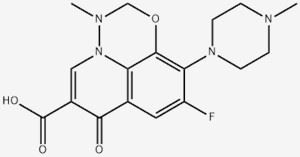
Marbofloxacin is a potent fluoroquinolone antibiotic specifically designed for veterinary use. It belongs to the family of antibiotics known as fluoroquinolones, which are renowned for their effectiveness in combating bacterial infections. Marbofloxacin is distinguished by its remarkable ability to target and eliminate a broad spectrum of bacteria that can afflict dogs. This medication exerts its antibacterial action by interfering with the DNA replication process of these bacteria, ultimately leading to their demise.

Iodixanol is in a group of drugs called radiopaque (RAY dee oh payk) contrast agents. Iodixanol contains iodine, a substance that absorbs x-rays. Radiopaque contrast agents are used to allow blood vessels, organs, and other non-bony tissues to be seen more clearly on a CT scan or other radiologic (x-ray) examination.

API:Azasetron Hydrochloride CAS NO:123040-69-7 Therapeutic Category:Antiemetic drugs Specification:Ministry standard* DMF:TPA* Certification:GMP Availability:By order

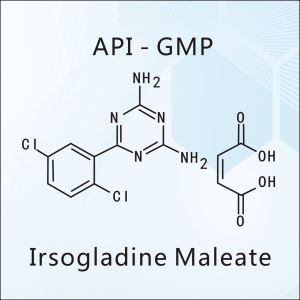
API:Irsogladine Maleate CAS NO:84504-69-8 Therapeutic Category:Phosphodiesterase inhibitor Specification:Ministry standard* DMF:TPA* Certification:GMP Availability:By order

API:Guaifenesin DC95 Therapeutic Category:Expectorant drug Specification:Inhouse DMF:USDMF Certification:USFDA Availability:Regularly available
What is Pyrazinamide?
Pyrazinamide (PZA) is an antimicrobial agent that is most commonly used for treatment of active tuberculosis (TB) during the initial phase of therapy (generally the first two months of treatment), in combination with other agents. The spectrum of PZA is relatively narrow; it demonstrates clinically significant antibacterial activity only against Mycobacterium tuberculosis and Mycobacterium africanum.
Factors to Consider Before Using Pyrazinamide
In deciding to use a medicine, the risks of taking the medicine must be weighed against the good it will do. This is a decision you and your doctor will make. For this medicine, the following should be considered:
Allergies
Tell your doctor if you have ever had any unusual or allergic reaction to this medicine or any other medicines. Also tell your health care professional if you have any other types of allergies, such as to foods, dyes, preservatives, or animals. For non-prescription products, read the label or package ingredients carefully.
Pediatric
Pyrazinamide has been used in children and, in effective doses, has not been reported to cause different side effects or problems in children than it does in adults.
Geriatric
Many medicines have not been studied specifically in older people. Therefore, it may not be known whether they work exactly the same way they do in younger adults. Although there is no specific information comparing pyrazinamide in the elderly with use in other age groups, this medicine is not expected to cause different side effects or problems in older people than it does in younger adults.
Breast Feeding
There are no adequate studies in women for determining infant risk when using this medication during breastfeeding. Weigh the potential benefits against the potential risks before taking this medication while breastfeeding.
Drug Interactions
Although certain medicines should not be used together at all, in other cases two different medicines may be used together even if an interaction might occur. Using this medicine with Cyclosporine, Ethionamide, Rifampin, or Zidovudine is usually not recommended, but may be required in some cases. If both medicines are prescribed together, your doctor may change the dose or how often you use one or both of the medicines.
Other Interactions
Certain medicines should not be used at or around the time of eating food or eating certain types of food since interactions may occur. Using alcohol or tobacco with certain medicines may also cause interactions to occur. Discuss with your healthcare professional the use of your medicine with food, alcohol, or tobacco.
Other Medical Problems
The presence of other medical problems may affect the use of this medicine. Make sure you tell your doctor if you have any other medical problems, especially:
- Gout (history of)-Pyrazinamide may worsen or cause a gout attack in patients with a history of gout.
- Liver disease (severe)-Patients with severe liver disease who take pyrazinamide may have an increase in side effects.
Proper Use of Pyrazinamide
To help clear up your TB completely, it is important that you keep taking this medicine for the full time of treatment, even if you begin to feel better after a few weeks. It is important that you do not miss any doses.
Dosing
The dose of this medicine will be different for different patients. Follow your doctor's orders or the directions on the label. The amount of medicine that you take depends on the strength of the medicine. Also, the number of doses you take each day, the time allowed between doses, and the length of time you take the medicine depend on the medical problem for which you are using the medicine.
Timing of Your Dose
Take your pyrazinamide tablets once a day, at about the same time each day. You can take your dose with or without food. Swallow the tablets whole with a glass of water. If you have problems swallowing the tablets, they may be halved or crushed. Ask your pharmacist for advice.
Missed Dose
If you forget to take your dose, take it as soon as you remember. But if it's nearly time for your next dose, take the next dose at the right time. Don't take extra doses to make up for a forgotten dose. If you often forget to take pyrazinamide, your tuberculosis may not be fully treated.
Storage
You should store the medicine in a closed container at room temperature, away from heat, moisture, and direct light. The medicine should be kept from freezing and be kept out of the reach of children. Do not keep outdated medicine or medicine no longer needed.
Finish the Course
Keep taking your tablets regularly unless your doctor tells you to stop. It's important you finish the course so the infection doesn't come back. If you stop taking the tablets before your course has finished, then you must let your doctor know about it straightaway so you can be given different treatment for your TB.

Mechanism of Action
The mechanism of action for PZA is unknown. The parent compound enters the bacterium passively and is metabolized via pyrazinamidase (PZase) within the cytoplasm to pyrazinoic acid; pyrazinoic acid is the active form of the drug. PZA and its analog, 5-chloro-PZA, may inhibit the fatty acid synthetase I enzyme of M. tuberculosis. PZA is generally considered to be a bacteriostatic agent.
PZA is thought to be more active at an acidic pH (eg, within macrophages). It demonstrates activity against both replicating and slow-growing populations. The role of PZA against intracellular organisms remains uncertain. In one study, pyrazinoic acid remained outside of M. tuberculosis cells at a neutral or alkaline pH but accumulated within cells at an acidic pH. In the same study, Mycobacterium smegmatis (which is not susceptible to PZA) was found to convert PZA to pyrazinoic acid but, due to an active efflux mechanism, did not accumulate the metabolite, even at an acidic pH. Other mycobacterial strains appear to have natural resistance to PZA due to lack of PZase activity or absence of transport mechanisms to take up the drug.
Gastrointestinal
The principal adverse effect is a hepatic reaction. Hepatotoxicity appears to be dose related, and may appear at any time during therapy. Gl disturbances including nausea, vomiting and anorexia have also been reported.
Hematologic and Lymphatic
Thrombocytopenia and sideroblastic anemia with erythroid hyperplasia, vacuolation of erythrocytes and increased serum iron concentration have occurred rarely with this drug. Adverse effects on blood clotting mechanisms have also been rarely reported.
Other
Mild arthralgia and myalgia have been reported frequently. Hypersensitivity reactions including rashes, urticaria, and pruritis have been reported. Fever, acne, photosensitivity, porphyria, dysuria and interstitial nephritis have been reported rarely.
Frequently Asked Questions
Q: What is Pyrazinamide?
Q: What are uses of pyrazinamide?
Q: How to use pyrazinamide?
Q: What is dosage for pyrazinamide?
Q: What drugs, substances, or supplements interact with pyrazinamide?
Q: How long should I take pyrazinamide?
Q: Why are pyrazinamide and isoniazid taken together?
Q: How does pyrazinamide cause high uric acid levels (hyperuricemia)?
Q: Can I take pyrazinamide during pregnancy?
Q: Can I take pyrazinamide if I'm breastfeeding?
Q: What are the instructions for the storage and disposal of Pyrazinamide?
Q: How does Pyrazinamide work?
Hot Tags: pyrazinamide, China pyrazinamide manufacturers, suppliers, factory, Potassium Guaiacol Sulfonate, Methocarbamol, Anastrozole, Azasetron Hydrochloride