

Hey there, fellow chemical enthusiasts! I'm a supplier of the compound with the CAS number 538 - 75 - 0. Over the years, I've had a bunch of customers come to me asking about alternatives to this compound. So, I thought it'd be cool to put together this blog post to share some info on that.
First things first, let's talk a bit about the compound 538 - 75 - 0 itself. It's used in a variety of industries, from pharmaceuticals to chemical synthesis. But sometimes, for different reasons like cost, availability, or environmental concerns, people look for alternatives.

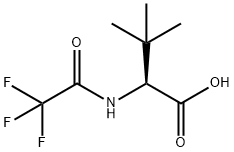
One alternative that comes to mind is 3-Methyl-N-(Trifluoroacetyl)-L-Valine. This compound has some similar properties to 538 - 75 - 0 in terms of its reactivity and solubility in certain solvents. In pharmaceutical research, it can be used in the synthesis of some bioactive molecules, just like 538 - 75 - 0. It has a trifluoroacetyl group, which gives it some unique chemical characteristics. This group can participate in various chemical reactions, such as acylation reactions, similar to how the functional groups in 538 - 75 - 0 can react.
Another option is Iodotrimethylsilane. This compound is often used as a reagent in organic synthesis. In some cases where 538 - 75 - 0 is used for its ability to activate certain chemical bonds, Iodotrimethylsilane can do a similar job. It's a strong iodinating agent and can cleave some types of bonds, like ether bonds. This makes it useful in the synthesis of complex organic molecules, much like 538 - 75 - 0 can be used in building up molecular structures in chemical synthesis processes.
3-Methyl-N-(Trifluoroacetyl)-L-Valine also offers some advantages in terms of its stability. It can be stored for longer periods compared to 538 - 75 - 0 in some conditions. This is important for industries where long - term storage of raw materials is necessary. And it's relatively easy to handle in the laboratory or industrial setting.
Now, let's look at N,N' Dicyclohexylcarbodiimide DCC. This compound is well - known in peptide synthesis. In cases where 538 - 75 - 0 is used in the formation of peptide bonds or other amide linkages, DCC can be a great alternative. It acts as a coupling agent, bringing two molecules together to form a new bond. It's highly efficient in promoting these reactions and has been used in the synthesis of many important peptides and proteins.
When considering these alternatives, there are a few factors to keep in mind. Cost is always a big one. Sometimes, an alternative might be cheaper, which can save a company a lot of money in the long run. Availability is also crucial. If a compound is in short supply, it can disrupt production processes. And then there are the environmental impacts. Some alternatives might be more environmentally friendly, which is becoming increasingly important in today's world.
For instance, Iodotrimethylsilane can be a bit tricky to handle in terms of its environmental impact. It releases iodine - containing by - products, which need to be properly disposed of. On the other hand, 3-Methyl-N-(Trifluoroacetyl)-L-Valine has a relatively lower environmental footprint in some cases.
In the pharmaceutical industry, the choice of alternative can be even more critical. The purity of the compound is of utmost importance. Any impurities in an alternative compound can affect the efficacy and safety of the final drug product. So, when switching from 538 - 75 - 0 to an alternative like N,N' Dicyclohexylcarbodiimide DCC, thorough testing and validation need to be done.
In the chemical synthesis field, the reactivity of the alternative compound also matters. You need to make sure that the reaction conditions can be adjusted to work well with the alternative. For example, if 538 - 75 - 0 reacts under certain temperature and pH conditions, the alternative might require different conditions. This means that some optimization of the synthesis process might be necessary.
If you're in an industry where you've been using 538 - 75 - 0 and are thinking about alternatives, I'd be more than happy to have a chat with you. Whether you want to discuss the technical aspects, cost - effectiveness, or any other concerns, I'm here to help. We can work together to find the best solution for your specific needs. So, don't hesitate to reach out if you're interested in exploring these alternatives further. Let's start a conversation and see how we can make your chemical processes more efficient and cost - effective.
References:
- General knowledge of organic chemistry and chemical synthesis
- Industry - specific research on the use of compounds in pharmaceuticals and chemical manufacturing