

Afatinib, a well - known tyrosine kinase inhibitor, has been widely used in the treatment of non - small cell lung cancer (NSCLC). As a supplier of Afatinib, I am often asked about its various side effects, especially those related to the kidneys. In this blog, I will delve into the renal side effects of Afatinib based on the current scientific knowledge.
Understanding Afatinib
Afatinib is a second - generation irreversible epidermal growth factor receptor (EGFR) tyrosine kinase inhibitor. It works by blocking the activity of certain proteins on cancer cells, preventing them from growing and spreading. This targeted therapy has shown significant efficacy in patients with specific EGFR mutations, improving their survival rates and quality of life. However, like many medications, Afatinib is not without its side effects.
Renal Function and Its Importance
The kidneys play a crucial role in maintaining the body's internal balance. They filter waste products and excess fluids from the blood, produce urine, regulate blood pressure, and produce hormones that are essential for red blood cell production and bone health. Any impairment in renal function can have far - reaching consequences for a patient's overall health.
Renal Side Effects of Afatinib
1. Proteinuria
Proteinuria, the presence of an abnormal amount of protein in the urine, is one of the common renal side effects associated with Afatinib. The kidneys have a filtering system that normally prevents large proteins from passing into the urine. However, Afatinib may disrupt this filtration mechanism. When the glomeruli, the tiny blood vessels in the kidneys responsible for filtration, are damaged, proteins such as albumin can leak into the urine.

A study published in the Journal of Clinical Oncology found that in patients receiving Afatinib, the incidence of proteinuria ranged from mild to severe. Mild proteinuria may not cause any obvious symptoms, but as the condition progresses, patients may experience swelling in the legs, ankles, or around the eyes, which is due to the loss of protein that helps maintain fluid balance in the body.
2. Acute Kidney Injury (AKI)
Acute kidney injury is a more serious renal side effect of Afatinib. AKI is characterized by a sudden decrease in kidney function, which can lead to the accumulation of waste products in the blood. The exact mechanism by which Afatinib causes AKI is not fully understood, but it may be related to direct toxicity to the kidney cells or changes in blood flow to the kidneys.
Symptoms of AKI include decreased urine output, swelling, fatigue, nausea, and confusion. In severe cases, AKI can progress to chronic kidney disease if not treated promptly. A meta - analysis of clinical trials involving Afatinib reported that a small percentage of patients experienced AKI during treatment.
3. Electrolyte Imbalances
Afatinib can also disrupt the normal balance of electrolytes in the body. The kidneys are responsible for maintaining the proper levels of electrolytes such as sodium, potassium, and calcium. When the kidneys are affected by Afatinib, electrolyte imbalances can occur.
For example, hyperkalemia (high potassium levels) may develop. High potassium levels can cause abnormal heart rhythms, muscle weakness, and even paralysis. Hypocalcemia (low calcium levels) can lead to muscle cramps, tingling in the fingers and toes, and in severe cases, seizures.
Risk Factors for Renal Side Effects
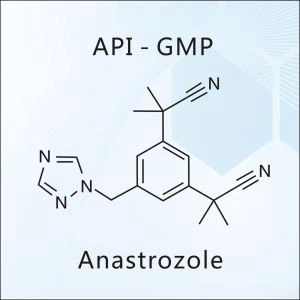
Several factors can increase the risk of developing renal side effects when taking Afatinib. These include pre - existing kidney disease, advanced age, and the use of other medications that can also affect the kidneys. For instance, patients who are already taking medications like [Anastrozole]( /active - pharmaceutical - ingredients/anastrozole - factory.html) or [Atorvastatin Calcium]( /active - pharmaceutical - ingredients/atorvastatin - calcium.html) may be at a higher risk due to potential drug - drug interactions.
Patients with a history of diabetes or hypertension are also more vulnerable as these conditions can already cause some degree of kidney damage. Additionally, the dose and duration of Afatinib treatment can influence the likelihood and severity of renal side effects. Higher doses and longer treatment periods may increase the risk.
Monitoring and Management of Renal Side Effects
To minimize the impact of renal side effects, regular monitoring of kidney function is essential. This typically involves blood tests to measure creatinine and blood urea nitrogen (BUN) levels, which are indicators of kidney function, and urine tests to detect proteinuria.
If proteinuria is detected, the dose of Afatinib may need to be adjusted or treatment may be temporarily interrupted. In cases of AKI, aggressive treatment may be required, such as fluid replacement and in some cases, dialysis. For electrolyte imbalances, appropriate supplements or medications may be prescribed to restore the normal balance.
Comparison with Other Medications
When considering the renal side effects of Afatinib, it is important to compare it with other similar medications used in the treatment of NSCLC. Some other EGFR tyrosine kinase inhibitors may also have renal side effects, but the incidence and severity can vary. For example, [Guaifenesin]( /active - pharmaceutical - ingredients/guaifenesin - supplier.html), which is used for a different indication, does not have the same renal side effect profile as Afatinib.
Understanding these differences can help healthcare providers make more informed decisions about the most appropriate treatment for their patients.
Conclusion
As a supplier of Afatinib, I understand the importance of providing comprehensive information about the drug's side effects. The renal side effects of Afatinib, such as proteinuria, AKI, and electrolyte imbalances, are significant concerns that need to be carefully monitored and managed.
Patients and healthcare providers should be aware of the risk factors and take appropriate measures to minimize the impact of these side effects. By working together, we can ensure that patients receive the maximum benefit from Afatinib while minimizing the potential harm to their kidneys.
If you are interested in purchasing Afatinib or have any questions regarding its quality, supply, or other aspects, please feel free to contact us for further discussion and procurement negotiation.
References
- Journal of Clinical Oncology. (Year). Incidence and management of renal side effects in patients receiving Afatinib.
- Meta - analysis of Afatinib clinical trials. (Year). Acute kidney injury associated with Afatinib treatment.